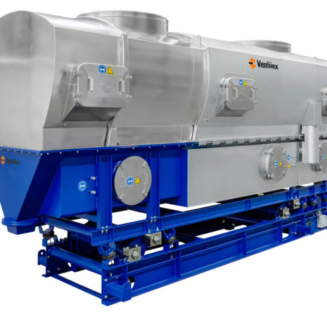
High-temperature short-time steam sterilization for spices
For spice processors, sterilization is a balancing act with little room for error: eliminate pathogens such as Salmonella, E. coli and Bacillus cereus, while preserving the volatile oils that define aroma, flavor and color. If treatment takes too long, microbial safety may improve — but the product loses the very sensory qualities customers pay for.
Seconds make the difference in spice quality
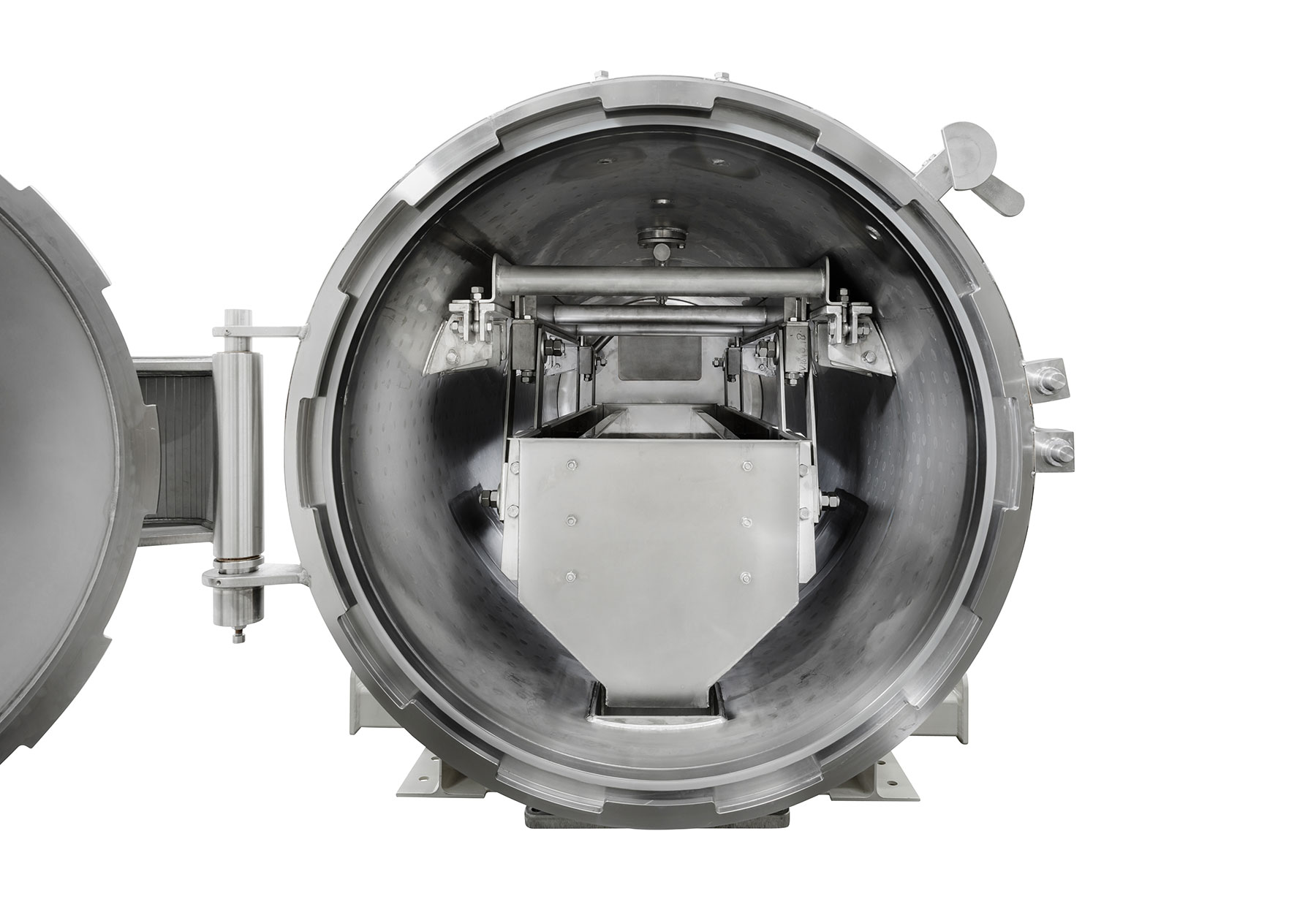
Ventilex addresses this challenge through high-temperature short-time (HTST) steam sterilization, using pressurized steam at 110–130°C instead of conventional atmospheric steam at around 100°C. The advantage is dramatic: where atmospheric steam often requires several minutes of exposure, HTST can achieve the same microbial kill rate in just seconds.
A microorganism such as Bacillus cereus that requires 3 minutes at 95°C for a one-log reduction can be reduced in just 2 seconds at 115°C under pressurized steam conditions. In practical production terms, that means a full sterilization cycle can often be completed in about 15 seconds total, including heat-up time.
Higher temperature, lower thermal damage
What makes this especially powerful for spices is that shorter exposure protects delicate volatile compounds such as eugenol, piperine and carvacrol from evaporation and oxidation. The result is a paradox that matters commercially: higher temperatures actually cause less product damage when applied briefly and precisely.
Unlike chemical sterilants such as ethylene oxide — banned in the EU — or irradiation, HTST steam offers a natural, residue-free process increasingly favored by regulators, food brands, and consumers alike.
For spice entrepreneurs scaling industrial production, this changes the economics of sterilization: microbial safety is no longer a trade-off against aroma retention. With HTST steam, both can be optimized simultaneously — and that is why seconds, not minutes, now define best-in-class spice processing.