Scaling HEK293 cultivation beyond shake flasks
At some point, shake flasks stop telling you what you need to know. Cell growth may look comparable, but once you move into bioreactors, differences start to appear in process control and output.
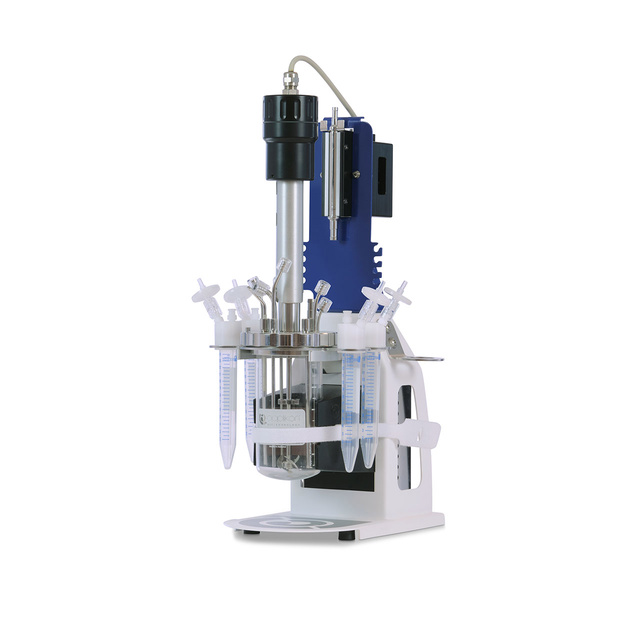
A study by Exovectory, carried out in cooperation with Erasmus MC, looked at how HEK293 cultivation translates from shake flasks to controlled bioreactor systems. The work focused on comparing growth behaviour and product formation under both conditions.
Controlled cultivation conditions
HEK293 cells reached similar cell densities in both shake flasks and stirred bioreactors, with only limited differences in viability and cell size. The main distinction lies in the level of control: bioreactors allow tight regulation of parameters such as pH, dissolved oxygen and nutrient availability. Maintaining these conditions within defined ranges supports more stable and reproducible cultivation performance over time.
Impact on product yield
The difference becomes more apparent when looking at output. Under controlled bioreactor conditions, higher yields of extracellular vesicles and nanoparticles were observed compared to shake flask cultivation, while maintaining similar size distributions. This suggests that controlled hydrodynamics and process conditions improve production efficiency, even when basic growth characteristics appear comparable.