Configuring gas conditions for T-cell expansion
When working with T-cells, gas composition is rarely fixed. CO₂ levels, in particular, are often adjusted during development, but their impact can vary depending on the donor and process setup.
A study supported by the UK Engineering Physical Sciences Research Council explored how different CO₂ concentrations influence T-cell expansion in stirred tank bioreactors. The work highlights the need for systems that allow precise control and flexible adjustment of gas conditions during cultivation.
Flexible gas control in single-use systems
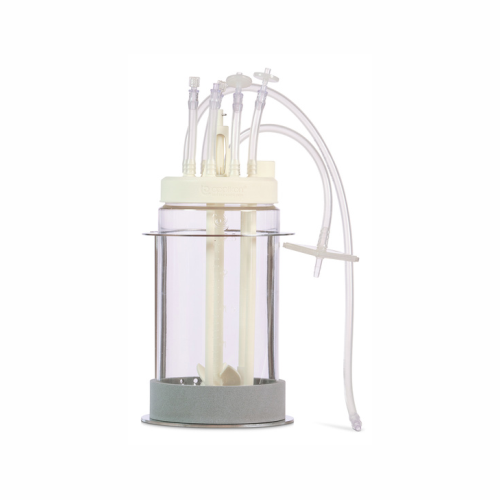
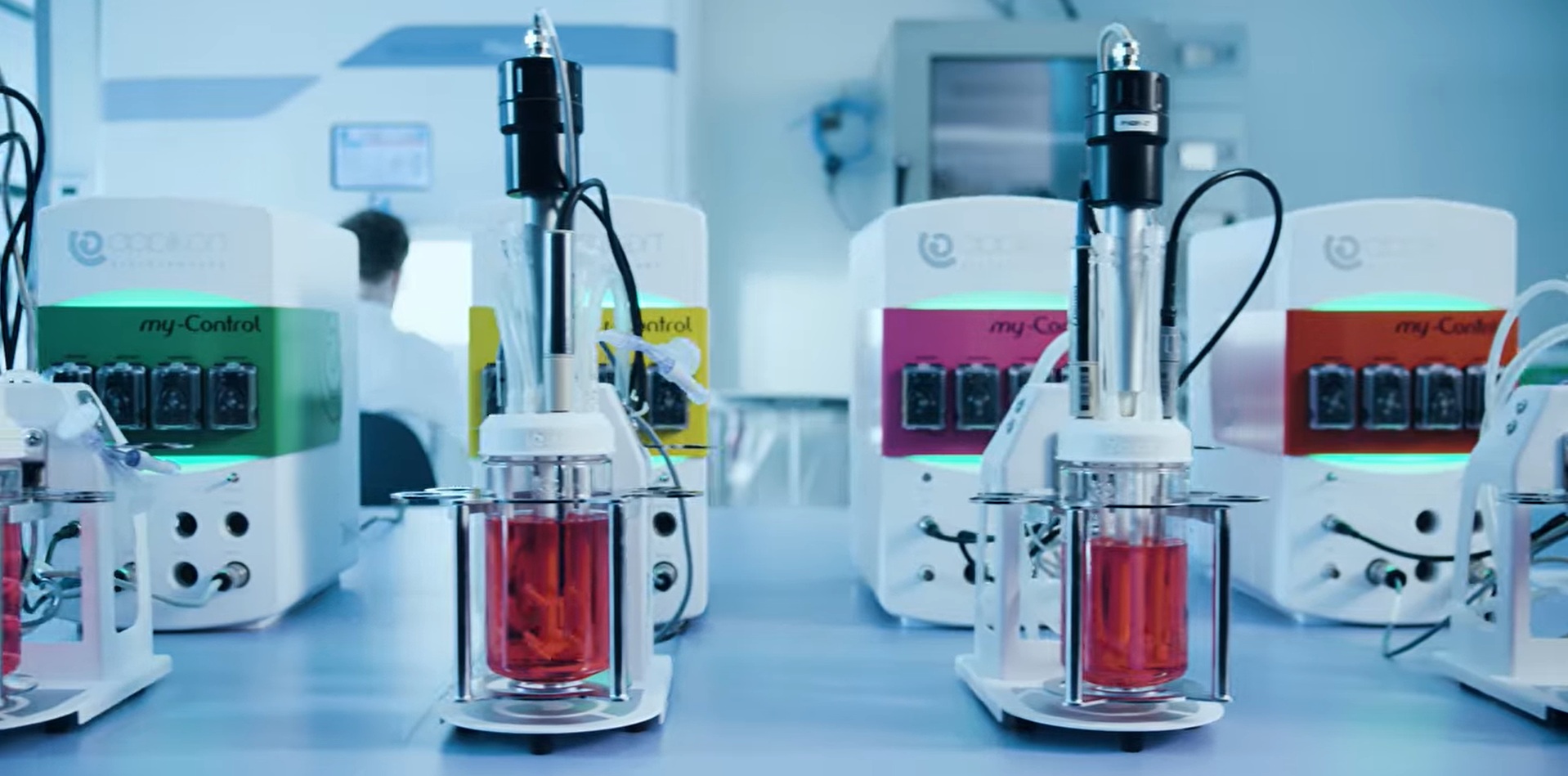
Single-use bioreactors such as the Applikon Appliflex ST from Getinge provide the ability to configure gas supply and transfer conditions according to process requirements. Operators can define gas flow strategies, sparger types and control loops to manage CO₂ levels alongside dissolved oxygen and pH.
This level of control becomes particularly relevant when working with variable biological systems such as T-cells, where different donors may respond differently to the same environmental conditions. The ability to adjust gas composition and monitor its effects in real time supports more robust process development.
Supporting process development under variable conditions
Studies have shown that changes in CO₂ concentration can influence T-cell growth behaviour and metabolic activity. In practice, this means gas conditions need to be treated as an active process parameter rather than a fixed setting.
Configurable single-use platforms allow these parameters to be explored and optimised during development without introducing additional complexity between runs. Combined with pre-sterilised operation and integrated monitoring, this supports repeatable experimentation and faster iteration when defining cultivation strategies.